


 CALL 09628389559
Ovarian cancer grows fast and is easy to spread. Usually it has no obvious early symptom and is often discovered accidentally in gynecological examinations or when it become palpable in the abdomen after growing to certain size and reaches out of the pelvic cavity, or when complications are detected. Ovarian cancer usually has reached its late stage when discovered. Symptoms of ovarian cancer vary according to the size of the cancer, time of occurrence, and whether there are complications or not. Then what are the symptoms of ovarian cancer?
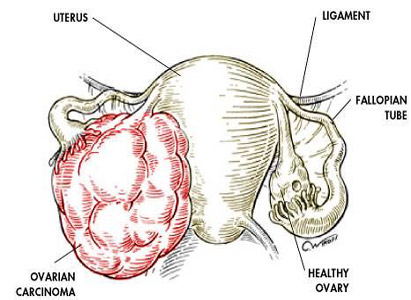
1. Discomfort in lower stomach or sinking pain in one side of the lower stomach happen occasionally in the early stage.
2. Abdominal distension: as the cancer grows fast, abdominal distension, lump and ascites may occur in a short time. Small tumors can only be detected in pelvic examination. As they become bigger gradually and reach out of the pelvic cavity, they will be palpable on the stomach.
3. Compression: When the tumor infiltrates the surrounding tissues or compresses the nerves, stomachache, waist pain or sciatica will be caused. When it compresses the pelvic vein, edema of the lower extremities will occur. Big tumor can compress the bladder causing frequent urination, difficult urination and urine retention. When it compresses the rectum, difficult defecation will be caused, while compressing to the gastrointestinal tract can cause symptoms of digestive problems and compressing to the diaphragm can cause difficult breathing and failure to lie flat.
4. Due to the fast growth of the tumor, innutrition and marasmus will occur and results in dyscrasia.
5. Related symptoms caused by cancer transfusion: Malignant ovarian cancer seldom causes pain. However, if the tumor cracks down, bleeds or is infected, or when it infiltrates and compresses the nearby organs, stomachache and waist pain will be caused.
6. If both the ovaries are damaged by cancer tissues, menstrual disorder and amenorrhea will be caused, while lung metastasis will cause cough, hemoptysis and hydrothorax and bone transfusion can cause local pain in the transferred lesion. Intestinal transfusion can cause blood in stools, more seriously, intestinal obstruction.
7. If it is functioning tumor, related symptoms of excessive estrogen or androgen will occur, such as early dysfunctional uterine bleeding, vaginal bleeding after menopause or masculine signs. Advanced ovarian cancer patients will have symptoms of obvious marasmus, severe anemia or other symptoms of cachexia. During gynecological examination, scattered solid nodules and lumps can be touched in both sides of the posterior fornix of vagina. They are solid, fixed, and rugged, usually accompanied with bloody ascites. Sometimes, swollen lymph nodes are palpable in groin, armpit, or supraclavicular.
1. Edema of vulvae and lower limbs: with ovarian cancer enlarging, pelvic vein will be oppressed and that will result in poor blood flow and preventing return flow of lymph, so that edema of vulvae and lower limbs will be caused.
2. Scanty menstruation or menostasia: the majority of patients with ovarian cancer have no change in their menstruation, but with cancer enlarging, cancer cells will destroy the normal ovarian tissues, leading to ovarian dysfunction, and then scanty menstruation or menostasia will be caused.
3. Abdominal and low back pain: if adjacent tissues are infiltrated and adhered by ovarian cancer, it can easily cause vague and dull pain of low back and abdomen.
4. Abdominal distention and loss of appetite: if ovarian tumors oppress and pull surrounding ligaments, in addition to stimulation of ascites, similar symptoms of gastrointestinal disease will be caused.
5. Sex hormone disorders: when some tumors secrete excess estrogen, sexual precocity, menstrual disorders or postmenopausal vaginal bleeding can be caused; if it is testicular mother cells cancer, male characteristics will appear due to excessive androgens.
1. Sense of abdominal distension: due to rapid growth of tumor, abdominal distention, abdominal lump and ascites can be developed within a short term. If tumor is small, it can be found only by pelvic examination, but with tumor gradually growing beyond the pelvic cavity, abdominal lump can be palpated.
2. Menstrual disorders and vaginal bleeding: if bilateral ovary cancer is damaged by cancer tissue, menstrual disorders and vaginal bleeding can be caused.
3. Compression symptoms: when tumor infiltrates surrounding tissues or compresses nerves, abdominal pain, low back pain and sciatica can be caused; if it compresses the pelvic veins, edema of lower limbs can appear; If tumor compresses bladder, frequent urination, dysuria, and urinary retention can be caused; If it compresses rectum, difficult defecation can occur; If it compresses gastrointestinal tract, digestive tract symptom can be caused; If tumor compresses diaphragm , dyspnea and inability to lie down can occur.
4. Dyscrasia: due to the rapid growth of tumor, malnutrition and physical emaciation can be developed, which results in formation of dyscrasia.
5. Metastases: pulmonary metastasis can result in dry cough, hemoptysis, pleural effusion; bone metastasis can cause localized severe pain; intestinal metastasis can cause hematochezia, in severe cases, it can result in intestinal obstruction.

*Disclaimer: Therapeutic effect depends on individual patient's condition. The content of this website are for informational purpose only. They cannot be taken as the basis of medical diagnosis and treatment and/or even replace the diagnosis and treatment given by doctors. Please refer to Terms and Condition for more information.




 09628389559


