- Basic
- Symptoms
- Diagnosis
- Treatments
What is Bladder Cancer?
Bladder cancer is one of the most common malignancies in urinary system, arising from mucous membrane of urinary bladder. Epithelial cells of mucous membrane of urinary bladder are also named uroepithelial cells, from which develops urothelioma, a most common malignancy takes up to 90-95% in all kinds of bladder cancer. Other rare bladder cancers include squamous cell carcinoma and adenocarcinoma.
Incidence of Bladder Cancer
Bladder cancer accounts for 3% of all malignant tumors all around the world and over 350,000 people are diagnosed of it each year. It happens in all ages but tends to occur within the age range of 50-60. Moreover, the incidence goes up as age increases and would be 3-4 times for a male to develop bladder cancer rather than female.
Bladder cancer is caused by interaction of multiple factors. Smoking and occupational contact of aromatic amine are the main known contributors to urinary bladder cancer. There are other causes of it too.
1) Carcinogenic substance in drinking water. Taking the water with chloride left through chlorine sterilization would increase the risk of getting bladder cancer.
2) Diseases of urethra. Long-term and chronic irritation in urothelium or carcinogenic substance from body metabolism increases in urine would result in epitheliosis of urinary tract that cancerization occurs.
3) Drugs. Take massive doses of a painkiller named phenacetin would increase the risk of bladder cancer too.
Staging of Urinary Bladder Cancer
Stage 0: Cancer cells are found only on the inner lining of the bladder.
Stage I: Cancer cells have proliferated to the layer beyond the inner lining of the urinary bladder but not to the muscles of the urinary bladder.
Stage II: Cancer cells have proliferated to the muscles in the bladder wall but not to the fatty tissue that surrounds the urinary bladder.
Stage III: Cancer cells have proliferated to the fatty tissue surrounding the urinary bladder and to the prostate gland, vagina, or uterus, but not to the lymph nodes or other organs.
Stage IV: Cancer cells have proliferated to the lymph nodes, pelvic or abdominal wall, and/or other organs.
Recurrent: Cancer has recurred in the urinary bladder or in another nearby organ after having been treated.
Nursing Methods of Bladder Cancer
Diet care
1) A bladder cancer patient should take more fresh fruits and vegetables.
2) Have diets with high protein, such as eggs, milk, fish and so on.
3) Adjust the diets according to patient flavor, but spicy food or the diets are hard for digestion are forbidden.
Post-operative care
1) Keep the ward clean and the air fresh.
2) Prevent from getting infection and improve the immunity of patient.
3) Family should always support the patient to help him eliminate the negative emotions.
What kinds of supports can be obtained?
Practice proves that the clinic team services composed by multiple disciplines like oncosurgery, oncology, pathology, imageology and anesthesia doctors as well as professional nurses, can provide patients with most effective, most suitable and most economic treatment plan, and also can greatly improve the therapeutic effect of treating cancer patients.
“One station” medical system constructed by Modern Cancer Hospital Guangzhou combining multiple disciplines, can perform comprehensive diagnosis and treatment for patients under the condition of without adding patients’ burden. Therefore, on one hand, it can provide all-round and heartfelt medical services, and on the other hand, it improves medical efficiency and level. There are many channels can be applied to conduct the communication between patients and doctors, like online consultation, email, telephone conversation, and face-to-face consultation. All these consultation services can effectively help patients to fight the cancer. While the medical team faced by the patients includes doctors, nurses, dietitians, interpreters and so on to meet various demands in different level of different countries. Patients would be more confident under the unobstructed communication environment to cooperate the hospital to diagnose and treat the diseases.
Bladder cancer is a malignant tumor occurs in the bladder mucosa and it is commonly seen in the urinary system. There are about 150,000 patients died of bladder cancer every year all over the world, among which, the incident rate of men is 3 to 4 times higher than women and it usually occurs in people during the age of 40 to 70 years old. Painless bloody urine is the most commonly seen symptom of bladder cancer, almost all the patients show this symptom when they are diagnosed with bladder cancer. If patients can notice this signal and take timely examination, they can achieve early detection, early diagnosis and early treatment.
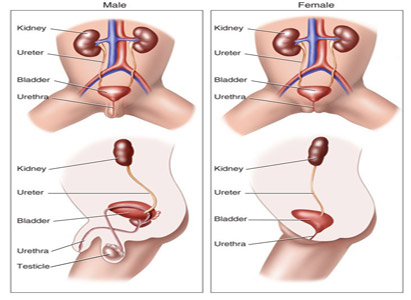
Bladder cancer symptoms
1.Bloody urine: Bloody urine is usually caused by the ulceration and bleeding of the tumor. The blood volume of which varies, we can see it by naked eyes if it is in a large volume, while can only observe some red blood cells in the urine under the microscope if it is in small amount.
Bloody urine of bladder cancer patients has two characteristics: first, it is painless, namely, patients can’t feel any pain or discomforts when it is occurring, which is called painless hematuria medically; second, it is happen intermittently, that is to say, bloody urine may stop automatically or relieve. The interval of hematuria’s occurring can be several days or months, or even half a year.
2.Stimulus symptoms of the bladder: when the tumor is occurring in the bladder trigone or when the scope of the tumor’s pathological changes and co-infections is increasing, it will stimulate the bladder and make the patients occur to frequent and urgent urination.
3.Urinary tract obstructions: tumor with big size, tumors in the bladder neck or blood clots blocking will all cause urinary difficulty or even urine retention. Patients will emerge to waist pain, hydronephrosis or damage of the kidney function if the tumor has infiltrated to the ureteral orifice and causing obstruction in the urinary tract.
4.Metastatic symptoms: when advanced stage cancer is infiltrating to the surrounding tissues and organs of the bladder or emerging to pelvic lymph node metastasis, it will lead to bladder pain, urethral or vaginal fistula and lower limb edema; when distant metastasis appeared, patients will occur to organ function damage, bone pain and Cachexia.
Above are the common symptoms of bladder cancer. Experts from Modern Cancer Hospital Guangzhou remind that if anyone emerges to the above symptoms, he should go to a regular hospital for check at the first moment.
Bladder cancer is a malignant tumor occurs in the bladder mucosa, the main symptom of which is hematuria, while hematuria is easily mixed as a symptom of other urological diseases. This makes many patients miss the best treatment time for bladder cancer. Bladder cancer diagnosis can help patients detect the cancer earlier and take prompt treatments. Below, experts from Modern Cancer Hospital Guangzhou, China are introducing you the diagnostic methods of bladder cancer.

Diagnostic methods of bladder cancer
1、Routine examination
The procedure of routine examination is very simple, that is to look for red blood cells in the urine which has been centrifugated under high power microscope, so as to judge the occurrence of hematuria. This method is the only way to diagnose the occurrence of recessive hematuria. It can help to detect early stage bladder cancer. It is also used as a routine examination for high-risk group people.
2、Urine exfoliative cell examination
Urine exfoliative cell examination is an easy inspection method without trauma. It is very valuable to the diagnosis of bladder cancer and 85% of the bladder cancer patients show positive in the examination.
3、X-ray Angiography examination
X-Ray angiography examination can figure out the filling extent of the bladder, the infiltrative scope and depth of the tumor. Combined renal pelvis and ureter radiography can also judge whether the patient has occurred to hydronephrosis and ureter infiltration.
4、Cystoscopy examination
Cystoscopy examination can observe the location, size, numbers, shape and the infiltrative scope of the tumor etc. while patients should undergo biopsy simultaneously when they are receiving cystoscopy examination.
5、 Type-B ultrasonic examination
With the filling of the urinary bladder, the bladder wall mucosa will be extended thoroughly, thus, Type-B ultrasonic examination can measure the size & location of the tumor and the infiltrative scope of the mucosa. Transrectal ultrasonic scan can display the abnormity of the bladder wall in the basilar part of the tumor, and the echo of the tumor that is intruding into the bladder cavity, according to which, doctors can confirm the scope of the tumor.
6、CT examination
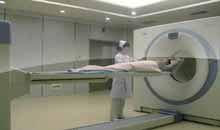
When the bladder cancer tissue is spreading to the bladder cavity or bladder wall, CT examination can fully show the shape and the size of the tumor, and the accurate rate of this examination can reach to 80%.
Experts remind that bladder cancer is the most common malignant tumor in the urinary system, to which, patients should live up to early detection and early treatment. The followings are some treatments for bladder cancer introduced by experts from Modern Cancer Hospital Guangzhou.

Traditional treatments for bladder cancer
1、Surgery
Surgery is the main treatment method for bladder cancer, while the specific operation scope and method should be based on the stage, histologic type and malignancy degree of the tumor. And a comprehensive analysis on the size, location and involvement condition of adjacent organs should be done before surgery.
2、 Radiotherapy
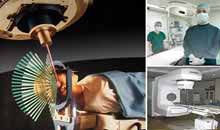
General speaking, radiotherapy is applied before or after operation. To advanced stage cancer patients who have lost the chance of surgery and those who refuse to undergo surgery, or cases of postoperative recurrence, palliative radiotherapy can also get a certain therapeutic effect.
3、Chemotherapy
Chemotherapy for bladder cancer patients includes intra-bladder chemo infusion, systemic chemotherapy and intra-arterial chemotherapy. Selectively taking chemotherapy before or after operation can increase the treatment effects and improve the quality of patients’ life to a large extent.
4、 Traditional Chinese medicine
Traditional Chinese medicine can be applied through the whole course of bladder cancer treatment. Used alone or combined with operation, radiotherapy and chemotherapy, traditional Chinese medicine can suppress the tumor and improve the quality of patient’s life.
Minimally invasive therapy for bladder cancer
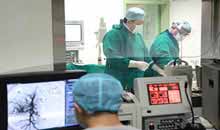
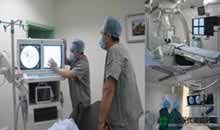
Minimally invasive therapy is a modern and high-tech minimally interventional treatment method. Under the guidance of medical imaging equipment, a special catheter, guide wire and other precision instruments are introduced into the body for lesions diagnosis and local treatment. Minimally invasive therapy possesses the superiority which traditional therapies don’t.
1、 Small wound: the skin wound is only 2mm or so, patients have only a few sufferings
2、Strong repeatability
3、A real time assessment of efficacy in the guidance of DSA
4、Small dosage, high local drug concentration, with small side effect and there is no resistance;
5、With specific targeting: with accurate positioning, precise treatment, and small damage to normal tissues
6、Fast recovery: patients can have activity normally 12 hours later after the operation
In addition, experts from Modern Cancer Hospital Guangzhou also give patients radiotherapy, chemotherapy or traditional Chinese medicine planned and reasonably in accordance with their individual condition simultaneously, when they are applying interventional techniques. This can significantly improve the therapeutic effect and patients’ quality of life, and prolong their survival time as well.
If you have any questions, please contact us via online consultation, email or phone call. If you find our website useful, please follow our FaceBook and YouTube, health information will be updated regularly.