- Basic
- Symptoms
- Diagnosis
- Treatments
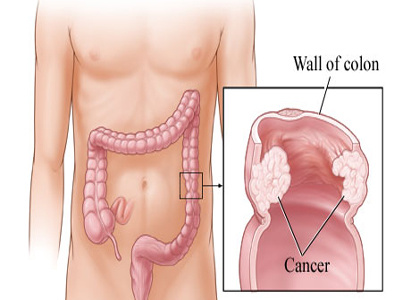
What is Bowel Cancer?
bowel cancer is one of the most common malignant tumors in gastrobowel tract, whose incidence is tightly after stomach cancer and esophageal cancer (takes up around 60%). Its patients are mostly older than 40 years old and the victims under the age of 30 only account for 15%. The incidence ratio between male and female is 2-3:1.
Causes of Bowel Cancer
1. Heredity. Some bowel cancer cases are caused from heredity that the people with related family history are tending to develop bowel cancer. Some enteric adenomas get high heritability because of dominant inheritance of autosome.
2. Diets. Long-term intake of high fatty diets is another key reason except N-nitrosamine causing bowel cancer.
3. bowel diseases. The bowel diseases like chronic and acute bowel inflammation, polyp of colon and ulcer can damage bowel functions and lead to canceration.
4. Other affections. Parasitic diseases like schistosomiasis can result in injure of bowel mucosa, from which can lead to ulcer and inflammation and even develop to adenomatoid and cancer.
5. Insufficiency of microelements. When a person is lack of molybdenum would increase his rick to develop bowel cancer.
Staging of Bowel Cancer
A doctor would confirm the stage of bowel cancer if one is diagnosed through other examinations, since the most effective treatment is chosen according to cancer staging.
Stage 0: The cancer has not grown beyond the mucosa.
Stage I: In this stage, the disease has grown beyond the mucosa, but has not spread beyond the small intestine to other sites or lymph nodes.
Stage II: The cancer has grown into or through the bowel wall. At this stage, it may or may not have reached nearby organs. There is no evidence of spread of disease to lymph nodes or distant sites.
Stage III: In stage III of bowel cancer, the disease has metastasized to nearby lymph nodes. The tumor may be any size (T1 through T4). The cancer may or may not have reached nearby organs. Distant sites like the lung or liver remain unaffected.
Stage IV: The cancer may be any size and has spread throughout the body to distant sites like the liver, lung or lining of the abdominal cavity.
How To Prevent From Bowel Cancer?
Diet is the most important role in bowel cancer prevention.
First a people should regulate diet structure reasonably, increases the intake of vitamins and microelements, try to have the food that are rich in proteins, fat and are high calories.
Second, get rid of unhealthy habits like abusing alcohol, smoking, staying up across the night, binge overeating and so on.
Third is positively to treat constipation, ulcerative colitis, polypoid ulcer and other common bowel diseases.
The last is to have proper physical exercise regularly to enhance immunity.
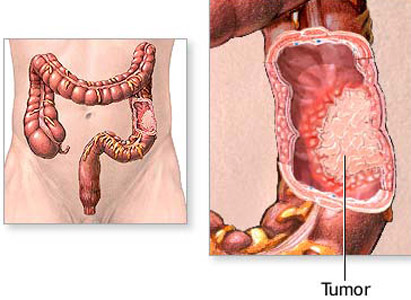
Bowel cancer is the most common malignant tumor in the gastrointestinal tract and its incidence rate is only second to stomach cancer and esophageal cancer. Most of patients with Bowel cancer are over 40 years old and those who are under 30 accounts for 15%, besides, male patients are more commonly seen. In spite of high incidence, people know little about the symptoms of Bowel cancer, so cancer experts from Modern Cancer Hospital Guangzhou will introduce them as following:
Main Symptoms Of Bowel Cancer
Normally bowel cancer in early stage would mainly present the symptom of painless stools with blood and the blood is red or fresh, which is similar to the symptom of early internal hemorrhoid.
After that is the change in bowel movement. Some patients develop constipation and diarrhea while some would have tenesmus. Patients would defecate mucopurulent and bloody stools, at the same time the shape of stools become slender.
Apart from this, stenosis of bowel cavity occurs because of cancer infiltration around bowel wall. If this occurs in juncture of rectum and sigmoid colon, the cancer mostly is scirrhus of stenotic type, from which can cause bowel obstruction and irritation and so on.
When bowel cancer develops to late stage, the blood in stool changes to dark red and the stools present mucous bloody stools or bloody purulent stools.
Besides the symptoms mentioned above in late stage, bowel cancer also encroaches on tissues and organs around like bladder and prostate to cause frequency, urgency and difficulty of urination. A patient can even develop pain in sacral and waist when the cancer attacks lumbosacral plexus.
How To Diagnose Bowel Cancer?
The means to clinically detect colon cancer increase as medical technologies improves. Below are the main detections:
1.X-ray includes barium meal for whole gastrobowel tract and bowel enema. Barium enema is more suitable to colon cancer patients. To the small tumors detection,
2. Colonoscopy
Sigmoscopy. Straight hood sigmoscopy in longest size is 30cm. It is convenient to detect the tumor while it can also take samples for biopsy visually. So sigmoscopy is good to screen the lesions under sigmoid colon.
Fibercoloscopy. It gets the length from 120-180cm and is bendable to observe the whole colon. Besides, fibercoloscopy is also used for electric knife, electric coagulation and biopsy to detect the lesions early. A patient can have fibercoloscop if above mentioned examinations do not work for final diagnosis.
3. Ultrasound scan, CT scan help to confirm the position and size of tumors, as well as the tumor condition related to other tissues and metastases to lymph and liver.
4. Carcino-embryonic antigen assay (CEA). CEA is the most important and widely applied testing item in screen rectal cancer. It is helpful to comment treatment effect and prognosis, constant tests of blood serum CEA can perform to observe the effect of surgery and chemotherapy.
Bowel cancer seriously threats people's health, therefore, once diagnosed with it, patients should timely undergo treatment, but treatment methods for Bowel cancer are various, thus how the patients with Bowel cancer should choose the most suitable one? In the following Modern Cancer Hospital Guangzhou will introduce you the Bowel cancer treatment.

Traditional Treatment for Bowel cancer
1. Surgery: surgery is commonly used in Bowel cancer treatment and generally early Bowel cancer more takes this way to remove cancer, including: radical resection, local resection, palliative tumor resection, intestinal segment resection and combined resection of the involved organs, however, after surgery performed, it is easy to remain cancer cells causing recurrence.
2. Radiotherapy: it is usually used as a kind of adjuvant method, which can reduce the risk of its recurrence.
3. Chemotherapy: after surgery, it is used to treat the postoperative residual lesions, avoiding the spread and reoccurrence of cancer cells, but chemotherapy will have some side effects.
Minimally Invasive Treatment for Bowel cancer
1. Biological immunotherapy: it has advantages such as do not hurt body, painless and do not need to be hospitalization, etc, and it can reduce the toxic and side effects brought by radiotherapy and chemotherapy, at the same time, it can improve the immunity of patients with Bowel cancer and their quality of life, besides, it is applicable to all the tumors.
2. TCM therapy: traditional Chinese medicine can relieve symptoms, improve patient's immunity, reduce the side effects of radiotherapy and chemotherapy, and can effectively improve the treatment effect of Bowel cancer.
3. Gene targeted therapy: gene targeted therapy designs the corresponding treatments in accordance with tumor specificity, which means drugs will automatically select the carcinogenic sites when enter patients’ body and combine with the sites to have reaction, resulting in specific death of tumor cells but it will not affect normal tissues around tumor. Compared with traditional therapies, gene targeted therapy owns better accuracy and effects as well as better safety.
Cancer experts from Modern Cancer Hospital Guangzhou remind: treatment methods for Bowel cancer are various, but treatment can be only given on the basis of patient’s own condition and symptoms, so as to effectively control and treat Bowel cancer.
If you have any questions, please contact us via online consultation, email or phone call. If you find our website useful, please follow our FaceBook and YouTube, health information will be updated regularly.