 09628389559


Bobby (pseudonym), a 43-year-old from the Philippines, was diagnosed with Stage III rectal cancer. Before his illness, he was the pillar of his family and the caretaker of lush green farmland—his life was busy and full of hope. However, in early 2025, persistent blood in his stool and unexplained fatigue cast a shadow over his life. The diagnosis from his local hospital—Stage III rectal adenocarcinoma, with a recommendation for immediate radical surgery—plunged the family into deep distress.
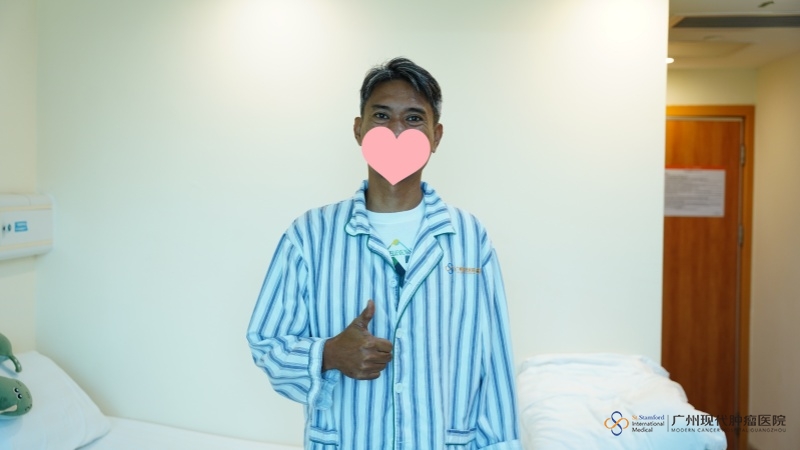
“Surgery could have meant living with a permanent stoma,” Bobby recalled, a trace of past struggle in his eyes. “That wasn’t the life I wanted. I hoped for another option—a treatment that would allow me more dignity and less physical trauma.”
Integrated Minimally Invasive Oncology: A New Path Beyond Traditional Options
Holding onto the belief of leaving no stone unturned, Bobby and his family actively sought alternative treatments. Through online research, they found Guangzhou Modern Cancer Hospital and were deeply drawn to its philosophy of "Minimally Invasive Integrated Therapy." "I saw another possibility, a way to fight the tumor without major surgery." This information shone like a beacon, illuminating their path to seeking treatment abroad.
In June 2025, Bobby crossed the oceans to Guangzhou Modern Cancer Hospital.
Upon arrival, Bobby's physical condition was concerning. Prolonged illness had drained his energy; standing nearly 180cm tall, he weighed only 53 kilograms and was physically frail. After a comprehensive assessment by the hospital's multidisciplinary team of experts, the diagnosis was confirmed: rectal malignant tumor, Stage III adenocarcinoma. Considering Bobby's strong refusal of traditional open surgery and based on his specific condition, the expert team tailored a minimally invasive integrated treatment plan centered around "Vascular Intervention."
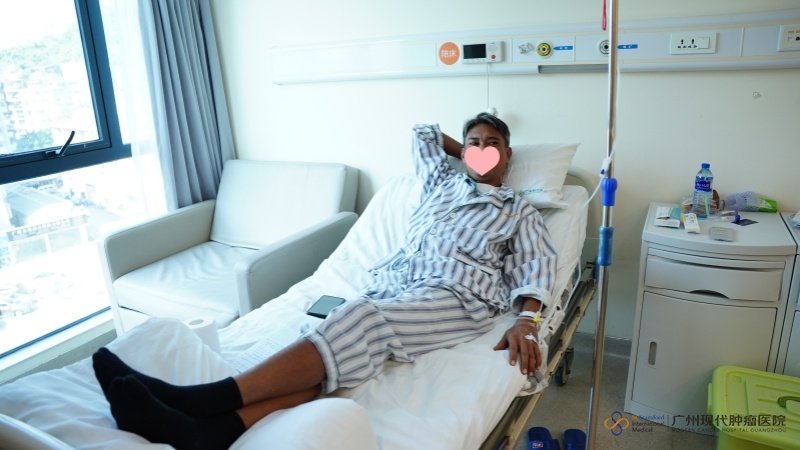
Vascular intervention is performed under DSA guidance, delivering anti-tumor drugs directly to the tumor site. Local infusion achieves drug concentrations approximately 80 times higher than systemic intravenous chemotherapy, allowing more efficient targeting of the tumor while reducing systemic side effects. Simultaneously, embolic agents are used to block the tumor's blood supply arteries, effectively "starving" the tumor.
Dr. Ma, Bobby's attending physician, explained: "Vascular interventional therapy is minimally invasive. Compared to intravenous chemotherapy, it has fewer side effects. Compared to surgery, it does not require the removal of key functional organs like the anal sphincter, alleviating the patient's fear of a permanent stoma and maximizing the patient's quality of life."
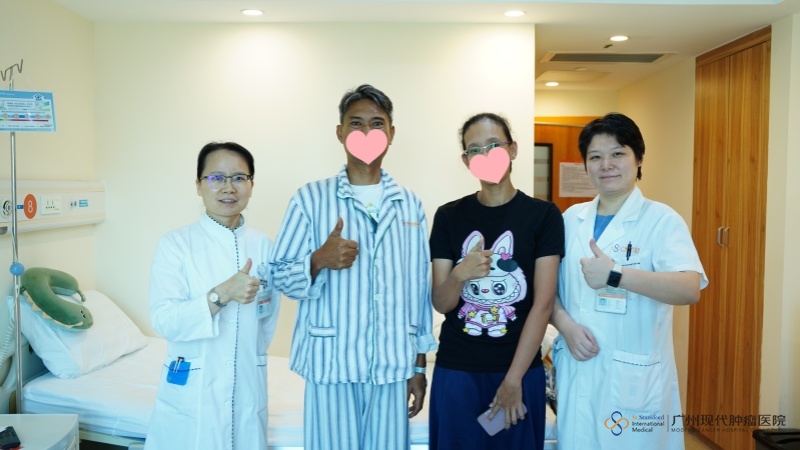
“The doctor recommended vascular interventional therapy because it’s not a major invasive procedure, so I agreed,” Bobby said. Though nervous before the first session, the entire process took only about 30 minutes. “I felt some warmth and mild discomfort when the drugs were administered, but it was manageable. What surprised me most was that I was able to get out of bed the next day and was discharged after just seven days, able to return to the Philippines for recovery. That was incredibly important for me as an international patient!”
Four Treatment Cycles Break the Deadlock, Realizing the Goal of Anal Preservation
The treatment was not without challenges. Bobby experienced side effects like dizziness and occasional vomiting. However, thanks to the medical team’s careful prevention and timely management, these symptoms were kept under control. “Whenever I felt unwell and needed help, the doctors and nurses were always there for me. That made me feel secure and supported,” he shared.
The follow-up assessments brought encouraging news: imaging clearly showed tumor shrinkage. Positive physical changes were also evident—the frequent bowel movements (8–10 times daily) and blood in stool had disappeared, his sleep quality improved, and his weight began to steadily increase.
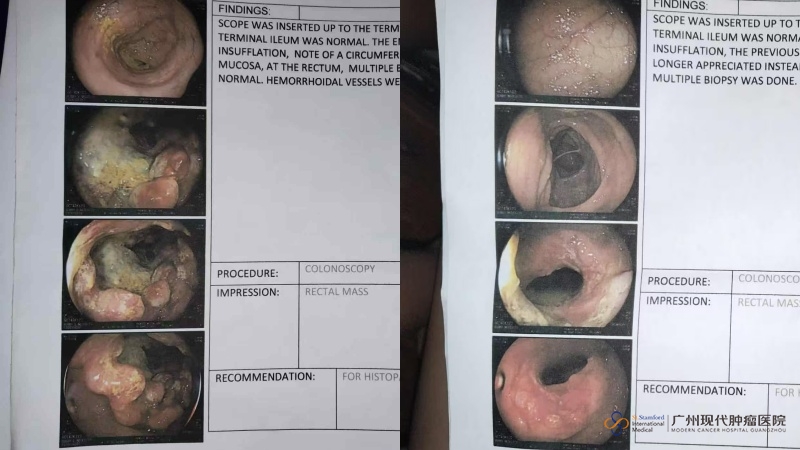
In September 2025, after his fourth vascular interventional therapy, Bobby underwent a follow-up colonoscopy in the Philippines. The results were remarkable: the tumor that had nearly blocked his intestinal lumen had essentially disappeared! The colonoscopy revealed a dramatic improvement compared to pre-treatment.
“I could feel my strength returning day by day,” Bobby said, his smiles growing more frequent. “Gaining from 53 kg to 60 kg isn’t just about weight—it’s about life returning to my body.”
Gratitude on the Anti-Cancer Journey, Sharing Hope with Others
Today, Bobby has been given a new lease on life, having successfully preserved his anal function. Reflecting on this difficult yet hopeful journey, he feels deeply moved and grateful. “I’m immensely thankful to my wife, who stood by me throughout. My family has been my motivation to keep going. I’m also extremely grateful to the doctors and nurses—they were so caring and made me feel at home,” he said. He also appreciated the hospital’s convenient shuttle service, clean wards, skilled translators, and warm patient activities—all of which eased the practical challenges of seeking treatment abroad and provided emotional comfort.
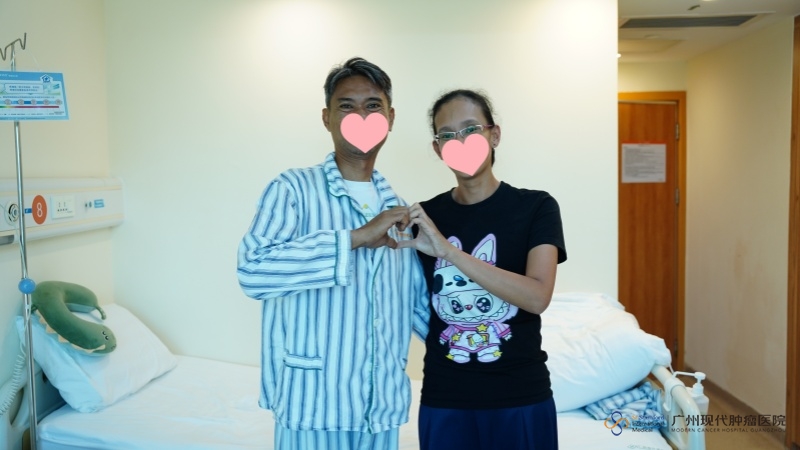
Having found redemption here, Bobby hopes to pass on this hope to others. “Even if your cancer is at Stage III, don’t lose hope! Consider Guangzhou Modern Cancer Hospital. They offer advanced minimally invasive treatments that are less traumatic, more effective, and support faster recovery. Look at me—I’ve walked step by step back to health. Believe that you can, too!”
To date, Guangzhou Modern Cancer Hospital has specialized in cancer diagnosis and treatment for over 20 years. With 18 major minimally invasive technologies, it has established an integrated tumor treatment system centered on minimally invasive techniques. The hospital has compassionately treated over 100,000 patients from nearly 100 countries, including those with breast, gastric, laryngeal, lung, nasopharyngeal, cervical, and many other cancer types. Bobby is one of many survivors. His experience reinforces a modern medical belief: treating cancer and preserving function are not mutually exclusive. Moving forward, the hospital remains committed to this philosophy, continuously refining its minimally invasive technologies to offer more patients worldwide a dignified and hopeful path to recovery.
*Surgery, in addition to the appropriate chemotherapy and radiotherapy, are effective in treating early cancer, but certain patients in late stage of cancer may not be tolerate surgery well as they can be relatively weak. A combination of carefully planned minimally invasive therapy, chemotherapy or radiotherapy can effectively reduce the side effects and discomfort of treatment and may help patient get better efficacy.